
Psychology and Power of Closure Experiences | UX Magazine

Endings possess immense psychological weight, yet modern digital ecosystems treat them as an annoying compliance hurdle. This deep dive reveals the hidden emotional dynamics of user departures and shows how brands can harness the power of closure to solidify long-term trust.

• The human brain is hardwired to judge, remember, and value entire experiences based heavily on how they conclude.

• Predatory retention loops and hidden unsubscribe buttons actively trigger consumer resentment and platform distrust.

• Giving users transparent, dignified exit options respects their psychological agency and leaves a lasting positive impression.

• Balancing onboarding excellence with a highly intentional offboarding strategy is the next frontier of premium UX design.
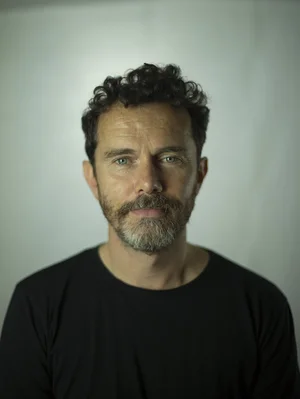
Joe Macleod

Joe Macleod is founder of the worlds first customer ending business. A veteran of product development industry with decades of experience across service, digital and product sectors.

Head of Endineering at AndEnd. TEDx Speaker. Wired says “An energetic Englishman, Macleod advises companies on how to game out their endgames. Every product faces a cycle of endings. It's important to plan for each of them. Not all companies do." Fast Company says “Joe Macleod wants brands to focus on what happens to products at the end of their life cycle—not just for the environment but for the entire consumer experience.”

He is author of the Ends book, that iFixIt called “the best book about consumer e-waste”. And the new book –Endineering, that people are saying “defines and maps out a whole new sub-discipline of study”. The DoLectures consider the Endineering book one of the best business books of 2022.

https://www.andend.co
Previous
Previous

How to shut down a business | FT Financial Times

Next
Next

Closure Experiences – Why a simple goodbye could help climate change | IXDA