
The Most Overlooked Part of Customer Experience | Joe Macleod
In this episode of SIMPLE brand, I talk with Joe Macleod, founder of andEnd and author of Ends and Endineering. He helps brands intentionally design better customer endings.
Joe and I explore why the end of the customer experience is so often overlooked, why an ending can influence how customers remember the entire relationship, and why businesses need to think about endings as something they can actually design rather than something that simply happens.
We also talk about the different kinds of endings customers experience - from the end of an individual transaction or product to the end of an ongoing customer relationship - and why making it easier for customers to leave can actually strengthen your brand.

The End Gap: The overlooked space between product usage and disposal
Between active product usage and ultimate disposal lies "The End Gap"—an unmanaged space where consumer engagement drops off, data lingers, and physical materials decay without guidance.

How brands can use 8 types of consumer endings to boost circularity
By mapping customer behavior against the 8 Core Types of Endings, sustainability and product teams can design targeted offboarding pathways that capture material value, protect brand reputation, and drive circular business models.

Circularity is stuck in a cycle of shame. Let’s get to guilt, instead
Public sustainability campaigns rely heavily on shame—using symbols like the crossed-out wheelie bin that isolate consumers and shift institutional blame onto individuals. To unlock a real circular economy, we must move from external shame to actionable guilt.
The power of storytelling to boost resale and reuse
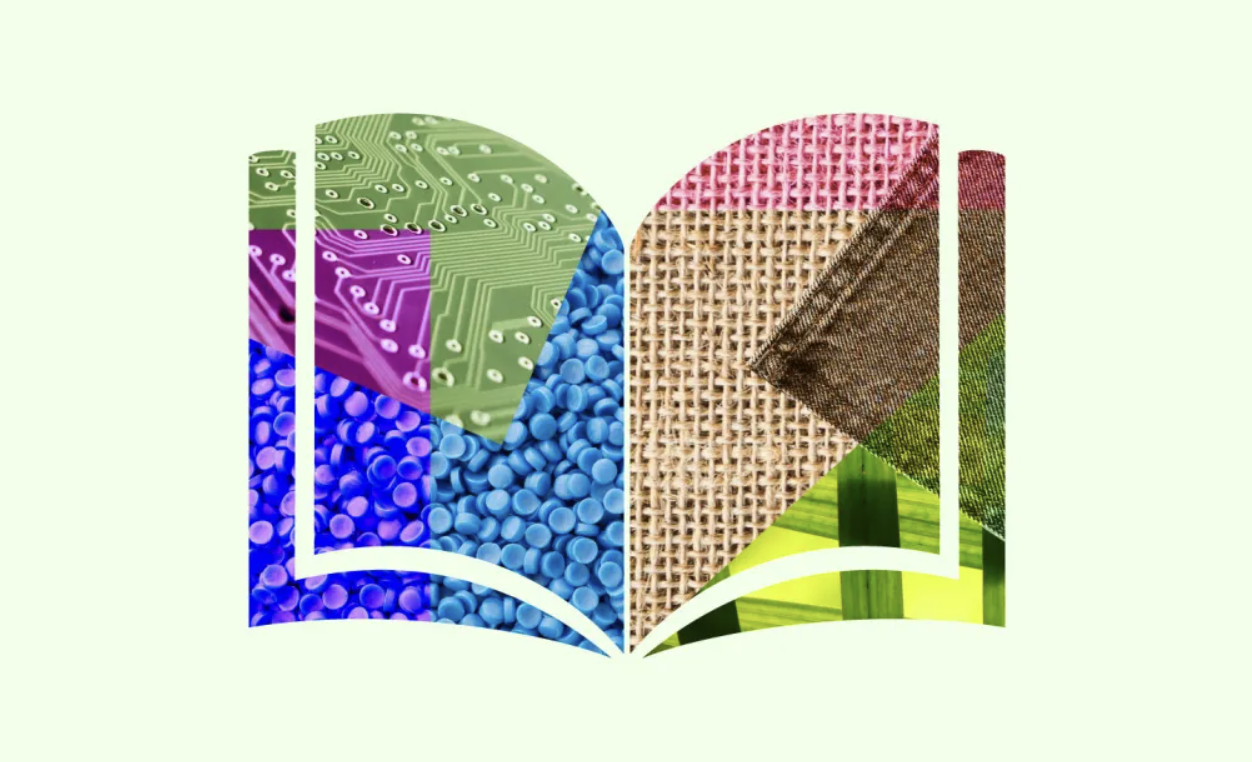
Circularity is often bogged down in data points, chemical compositions, and compliance certifications—important technical details that remain emotionally distant. By reframing product lifecycles through classic three-act narrative storytelling, brands can transform technical circularity into compelling customer experiences that build lasting brand equity.

What circularity practitioners can learn from fast-moving consumer goods
Can we truly call a product circular if we have to wait two decades to see if the loop closes? True circularity requires return velocity—not just recyclable components. To build effective closed-loop systems, companies must stop waiting years for total product failure and start adopting the fast, rapid-learning generational cycles of fast-moving consumer goods.
New regulations protect consumers and the environment from zombie tech
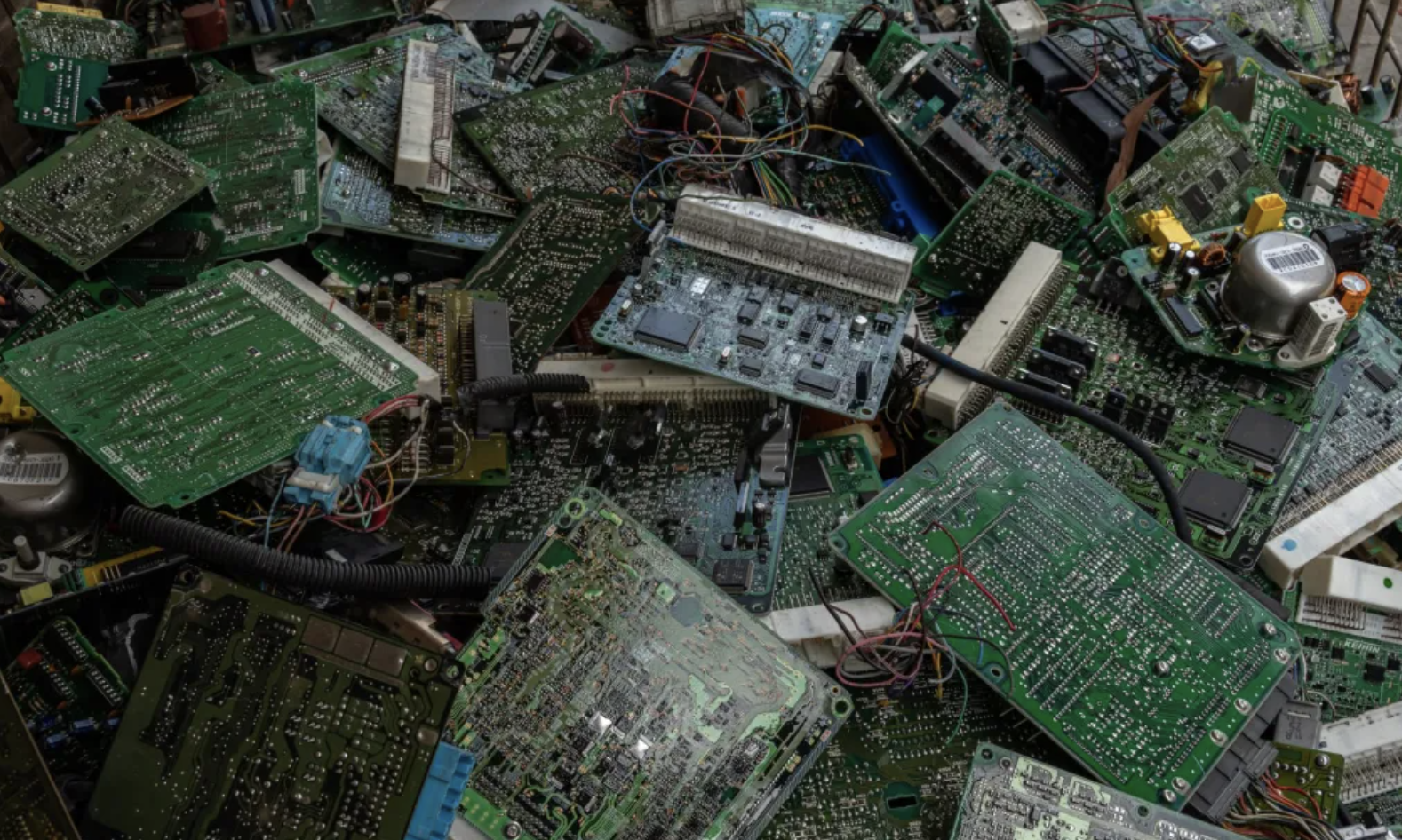
High technology is no longer exempt from physical accountability. As legislative and judicial threads converge, software is now classified under the same product liability standards as hardware, forcing companies to address the digital waste and "zombie tech" left behind when support is abruptly pulled.

Why we overlook endings. And why we shouldn’t. | Joe Macleod | TEDxStockholm
Humanity has developed a systemic cultural blind spot that celebrates the beginning of everything while entirely avoiding the conclusion. This landmark TEDx talk exposes the psychological biases that drive our obsession with onboarding and makes the vital case for designing the exit.

Every Startup Needs to Prepare for Its Downfall | Wired
Startups pour immense energy into scaling up, yet rarely build a blueprint for how their product ecosystem can gracefully wind down. This article outlines why establishing an intentional end-of-life framework is a vital strategic buffer against operational, legal, and digital vulnerabilities.

Meet the 'Endineer' who helps companies design the end of life for products | Fast Company
Brands spend billions on onboarding, but walk away when a product reaches the end of its life cycle. Joe Macleod explains how designing better off-boarding experiences eliminates consumer guilt and creates a sustainable circular economy.

‘Endineering’ solves a missing link for the circular economy | Trellis
Circular supply chains are completely broken because we expect consumers to act responsibly without giving them the tools to do so. This piece demonstrates how Endineering builds the missing human infrastructure needed to achieve genuine ESG compliance and waste reduction.

In search of an ending | Creative Review
The obsession with creating seamless, frictionless onboarding experiences has left a massive blind spot at the end of the consumer journey. Joe Macleod breaks down why businesses must learn to design deliberate, meaningful endings.

Endings Matter: Joe Macleod on Offboarding, Brand Value & Responsibility | Next Conference
Leaving a product's final chapter unmanaged is a high-stakes gamble with your brand's reputation and compliance track record. This video interview maps out why full-lifecycle responsibility is a non-negotiable requirement for modern product management teams.

Warmth of the Setting Sun: Belief and Identity in Digital Life | Next Conference
As our lives move entirely online, deleting an account or leaving a platform shifts from a minor tech hurdle to a profound identity crisis. This high-profile keynote explores how digital product endings must respect user agency, human belief systems, and personal legacies.

If I Only Had a Story | Andy Ruben & Joe Macleod | Circularity 2025
Physical supply chains and digital platforms are deeply broken because they fail to tell the true human story of a product's conclusion. This collaborative keynote maps out how creating transparent end-of-life narratives protects brand equity while actively tackling the growth of data and physical waste.

Closure Experiences - Why a simple goodbye could help climate change | Interaction 16. IXDA
Our planet's climate crisis is fundamentally fueled by a consumer model that makes buying effortless and disposal completely invisible. This landmark international session demonstrates how designing explicit, behavioral product endings is the missing key to unlocking true sustainable consumption.